What is Amyloidosis?
Amyloidosis is not a single disease but a group of disorders characterised by the extracellular deposition of misfolded proteins — called amyloid fibrils — in tissues and organs. Amyloid fibrils are highly stable, insoluble aggregates that progressively infiltrate organs, disrupting their normal architecture and function. The type of amyloidosis depends on the specific protein that misfolds and deposits.
The three most clinically important types are: AL amyloidosis (light chain amyloidosis — associated with plasma cell dyscrasia, the most common type in developed countries), AA amyloidosis (secondary to chronic inflammatory diseases — the type most relevant to Rheumatology), and ATTR amyloidosis (transthyretin amyloidosis — hereditary or age-related, predominantly affecting the heart and nerves).
From a Rheumatological perspective, AA amyloidosis is particularly important — it occurs as a complication of poorly controlled chronic inflammatory diseases such as Rheumatoid Arthritis, Ankylosing Spondylitis, JIA, Familial Mediterranean Fever (FMF), and other periodic fever syndromes. The SAA (Serum Amyloid A) protein, produced during chronic inflammation, misfolds and deposits primarily in the kidneys, spleen, liver, and adrenal glands.
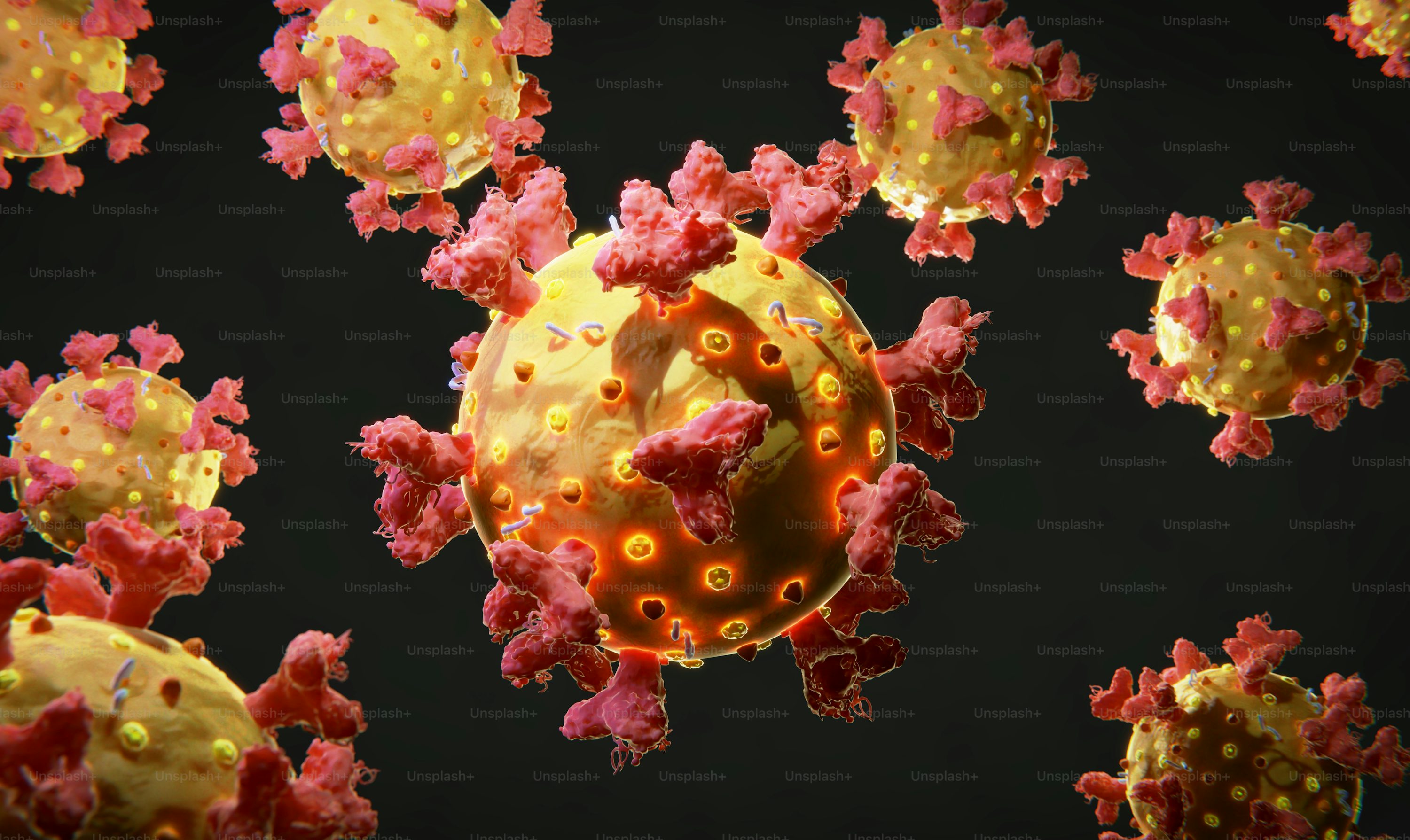
Congo red staining of a renal biopsy showing the characteristic apple-green birefringence under polarised light — the definitive pathological diagnosis of amyloidosis.
Clinical Manifestations
- Kidneys (AA amyloidosis): Progressive proteinuria (initially nephrotic range), hypoalbuminaemia, oedema, and eventually chronic kidney disease progressing to end-stage renal failure.
- Heart (AL and ATTR amyloidosis): Restrictive cardiomyopathy causing heart failure with preserved ejection fraction, low-voltage ECG despite a thick heart on echo, conduction abnormalities, and arrhythmias.
- Peripheral Neuropathy (AL and ATTR): Painful, progressive sensorimotor neuropathy, beginning distally and ascending — often with prominent autonomic neuropathy (postural hypotension, diarrhoea, bladder dysfunction).
- Macroglossia: Enlarged tongue — pathognomonic for AL amyloidosis.
- Periorbital Purpura ("Raccoon Eyes"): Characteristic purpura around the eyes from amyloid infiltration of blood vessels, triggered by Valsalva manoeuvre — a highly specific sign of AL amyloidosis.
- Hepatosplenomegaly, gastrointestinal malabsorption, and endocrine insufficiency are also described.
Cardiac MRI with late gadolinium enhancement — one of the most sensitive techniques for detecting cardiac amyloidosis.
🔑 The Rheumatologist's Role in AA Amyloidosis Prevention
The best treatment for AA amyloidosis is prevention — by aggressively controlling the underlying inflammatory disease before amyloid has a chance to deposit. Every patient with long-standing, poorly controlled RA, AS, or JIA should be screened with urine protein measurements annually to detect early amyloid nephropathy. Tight inflammatory control with DMARDs and biologics dramatically reduces AA amyloidosis risk.
Dr. Prateek's Approach to Amyloidosis
Dr. Prateek Deo's Rheumatology training uniquely positions him to manage the inflammatory diseases that cause AA amyloidosis and to screen for amyloid complications proactively in his at-risk patients.
Inflammatory Control
The primary intervention for AA amyloidosis is aggressive suppression of the underlying inflammation (RA, JIA, FMF) using DMARDs and biologics — lowering SAA protein levels below 10 mg/L to halt amyloid deposition.
Annual Proteinuria Screening
All patients with long-standing inflammatory diseases receive annual urine albumin-to-creatinine ratio (ACR) testing to detect early renal amyloidosis when intervention is still effective.
FMF Colchicine Therapy
In Familial Mediterranean Fever — the most common cause of AA amyloidosis in the Middle East and South Asia — we prescribe and optimise Colchicine therapy, which dramatically prevents amyloid development when taken consistently.
Multi-Specialty Coordination
We coordinate with nephrologists for AL and AA amyloidosis affecting the kidneys, and with haematologists for the underlying plasma cell dyscrasia in AL amyloidosis.