
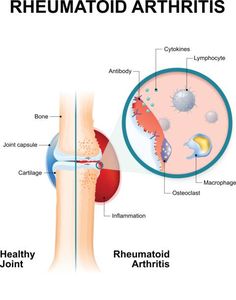
Diet plays a significant role in managing inflammation. "wear and tear." It is a chronic, systemic autoimmune disease where the body's immune system mistakenly attacks the lining of the joints (synovium). This causes severe inflammation that can eventually destroy the joint cartilage and bone if left untreated.
While RA primarily affects the joints—most commonly in the hands, wrists, and knees—it is a systemic condition. This means it can also impact other organs, including the lungs, heart, and eyes. Understanding the disease deeply is the first step toward reclaiming your quality of life.
The Importance of the "Window of Opportunity"
In modern rheumatology, we emphasize the concept of the window of opportunity. This is a critical period (typically the first 3 to 6 months after symptom onset) where aggressive medical intervention can drastically alter the course of the disease.
"Treating Inflammation and Diet early and aggressively within the first few months is the single most effective way to prevent permanent joint deformity and achieve long-lasting remission."
When patients present early, we can deploy Disease-Modifying Antirheumatic Drugs (DMARDs) before structural damage occurs. Once a joint is deformed or bone erosions happen, medications can stop further damage, but they cannot reverse what is already lost. This is why you should never ignore persistent joint swelling or morning stiffness.
Recognizing the Early Warning Signs
RA symptoms often develop insidiously over weeks or months. The hallmark signs include:
Modern Diagnostic Approaches
Diagnosis is clinical, supported by serological and imaging markers. We don't just rely on a single blood test. A comprehensive panel includes:
Targeted Therapies and Biologics
The landscape of RA treatment has revolutionized over the past two decades. We have moved far beyond just painkillers and steroids. Today's treatments are designed to target the exact immune pathways driving the disease.
Standard therapy begins with conventional synthetic DMARDs like Methotrexate. If the response is inadequate, we escalate to Biologic DMARDs (like TNF inhibitors, IL-6 inhibitors) or Targeted Synthetic DMARDs (JAK inhibitors). These advanced therapies are incredibly effective at shutting down the inflammatory cascade, allowing the vast majority of patients to achieve clinical remission.