What is Gout?
Gout is the most common form of inflammatory arthritis in adults and is caused by the deposition of monosodium urate (MSU) crystals in joints, soft tissues, and organs when blood uric acid levels chronically exceed the solubility threshold (6.8 mg/dL). Despite being one of the oldest and most well-understood diseases in medicine, gout remains dramatically undertreated, leading to unnecessary suffering and long-term joint damage.
Gout typically progresses through four stages: asymptomatic hyperuricemia → acute gout flares → intercritical gout (asymptomatic periods between flares) → chronic tophaceous gout (if untreated). In its advanced form, urate crystal deposits (tophi) form large, visible lumps in soft tissues and erode bone, causing permanent joint damage.

Classic podagra — acute gout affecting the first metatarsophalangeal joint (big toe), presenting with exquisite tenderness, warmth, and redness.
Symptoms: The Acute Gout Attack
An acute gout attack is one of the most painful experiences a person can have. It characteristically:
- Reaches maximum intensity within 6-12 hours — incredibly rapid for an inflammatory arthritis.
- Causes exquisite, almost unbearable tenderness — even the weight of a bed sheet can be agonizing.
- Presents with severe redness, warmth, and swelling of the affected joint — often mistaken for a joint infection (septic arthritis).
- Most commonly affects the first metatarsophalangeal joint (big toe, called "podagra"), but can also affect the ankle, knee, wrist, and elbow.
- Often occurs at night, as lower body temperature during sleep promotes crystal deposition.
- Is triggered by precipitants such as alcohol consumption (especially beer and spirits), purine-rich foods (red meat, organ meats, shellfish), dehydration, diuretic use, or surgical stress.
🚨 Gout vs Septic Arthritis
Acute gout can look identical to a joint infection (septic arthritis) with extreme redness, swelling, and fever. Never ignore an acutely hot, swollen joint. Septic arthritis is a medical emergency that can destroy a joint within 24-48 hours if not treated with antibiotics. Dr. Prateek Deo can perform joint aspiration to definitively differentiate between the two and initiate the correct treatment without delay.
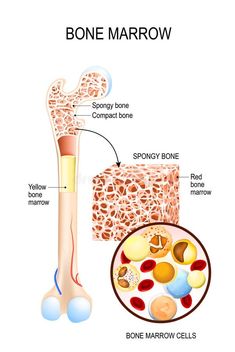
Needle-shaped monosodium urate crystals under polarised light microscopy — the definitive diagnostic test for gout.
Causes and Risk Factors
Hyperuricemia (high uric acid) arises from an imbalance between uric acid production and excretion. The vast majority (90%) of gout patients are "under-excretors" — their kidneys fail to adequately excrete uric acid. Risk factors include:
- Diet: High intake of purines (red meat, organ meats, shellfish) and fructose-sweetened beverages significantly elevates uric acid. Beer is particularly harmful.
- Medications: Diuretics (especially thiazides and loop diuretics), low-dose aspirin, cyclosporine, and pyrazinamide raise uric acid.
- Metabolic Syndrome: Obesity, insulin resistance, hypertension, and dyslipidemia all impair renal uric acid excretion.
- Chronic Kidney Disease: Reduced renal function is a major cause of hyperuricemia.
- Genetics: Mutations in urate transporter genes (SLC22A12, SLC2A9, ABCG2) explain much of the genetic predisposition to gout.
Diagnosis
The gold standard for gout diagnosis is demonstrating MSU crystals in joint fluid under polarised light microscopy. These appear as needle-shaped crystals with strong negative birefringence. Dual Energy CT (DECT) — an emerging, non-invasive imaging modality — can visualize urate crystal deposits in joints and soft tissues, even in between flares. Serum uric acid alone is unreliable during an acute attack, as it is often falsely normal due to the acute phase response.
Dr. Prateek's Approach to Gout
Gout is the one rheumatic disease that can be completely cured. With the right urate-lowering strategy and patient education, gout attacks can be eliminated permanently. Dr. Prateek Deo's approach to gout is aggressive, systematic, and educational — aiming for a uric acid target of <5 mg/dL in tophaceous gout and <6 mg/dL in non-tophaceous gout.
Rapid Flare Control
Colchicine, NSAIDs, or steroids are used immediately to terminate the acute attack. Joint aspiration is performed when needed to confirm diagnosis and provide instant pain relief.
Urate-Lowering Therapy (ULT)
We initiate Allopurinol or Febuxostat with slow dose titration, targeting uric acid <6 mg/dL to dissolve existing crystals and prevent future attacks.
Lifestyle Optimisation
Detailed dietary counselling on purine-rich foods and alcohol. Weight management and medication review (switching diuretics where possible) to address modifiable risk factors.
Comorbidity Management
Gout is often a marker of cardiometabolic disease. We comprehensively screen for and manage hypertension, diabetes, dyslipidemia, and chronic kidney disease.