
What is Sjogren's Syndrome?
Sjogren's Syndrome (SS) is a systemic autoimmune disease that primarily targets and destroys the exocrine glands — primarily the lacrimal (tear) glands and salivary glands — causing the hallmark symptoms of severe dry eyes (keratoconjunctivitis sicca) and dry mouth (xerostomia). However, Sjogren's is far more than just a sicca syndrome; it is a truly systemic disease capable of causing extraglandular manifestations in virtually every organ, making it a condition that demands specialist expertise.
Sjogren's can occur alone (Primary Sjogren's Syndrome) or in the context of another autoimmune disease such as RA, SLE, or Scleroderma (Secondary Sjogren's Syndrome). It predominantly affects middle-aged women (female-to-male ratio 9:1) and is the second most common systemic autoimmune disease after RA.
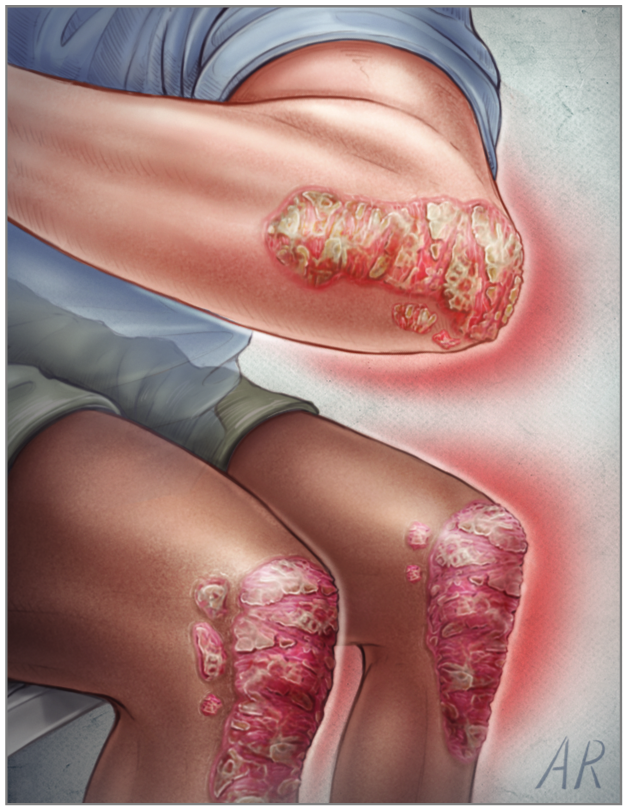
Severe dry eyes in Sjogren's Syndrome can cause corneal damage and vision loss if inadequately treated.
The Full Spectrum of Symptoms
Many patients and even some physicians underestimate the impact of Sjogren's Syndrome, viewing it only as a "dry gland" condition. In reality:
- Dry Eyes: Foreign body sensation, burning, grittiness, and light sensitivity. Reduced tear film can lead to corneal abrasions and ulcers if untreated.
- Dry Mouth: Difficulty chewing, swallowing, and speaking. Dramatically increased risk of dental caries. Loss of taste.
- Fatigue: Profound fatigue is one of the most disabling symptoms and is frequently overlooked.
- Joint Pain: Non-erosive arthritis affecting small joints, similar to RA.
- Peripheral Neuropathy: Numbness, tingling, and pain in the hands and feet from small-fibre neuropathy — a severely underappreciated manifestation.
- Kidney Involvement: Renal tubular acidosis (causing kidney stones) and interstitial nephritis.
- Lung Involvement: Interstitial Lung Disease and lymphocytic pneumonitis.
- Lymphoma Risk: Patients with Sjogren's have a 16-44x increased risk of developing Non-Hodgkin's Lymphoma (particularly MALT lymphoma) compared to the general population — the most serious long-term complication requiring vigilant monitoring.
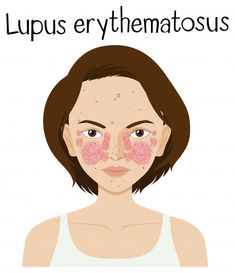
Bilateral parotid gland enlargement — a characteristic finding in Sjogren's Syndrome that can be persistent or recurrent.
⚠️ Lymphoma Vigilance
Persistent parotid gland swelling, lymph node enlargement, splenomegaly, or a sudden unexplained decline in anti-Ro/La antibody levels in a Sjogren's patient should trigger immediate evaluation for lymphoma. Annual clinical review with lymphoma risk assessment is an essential component of Sjogren's care.
Diagnosis
Diagnosis uses the 2016 ACR/EULAR Classification Criteria, which assigns weighted scores to lip biopsy (focal lymphocytic sialadenitis), anti-Ro/SSA antibodies, Schirmer's test ≤5 mm/5 min, positive rose bengal staining, and unstimulated whole saliva flow ≤0.1 mL/min. Anti-Ro (SSA) antibodies are present in 75% of primary SS and are the most useful serological marker.
Dr. Prateek's Approach to Sjogren's Syndrome
Sjogren's Syndrome is a condition where patients often feel dismissed because their symptoms (fatigue, dry eyes, dry mouth) are minimized. Dr. Prateek Deo takes Sjogren's seriously — implementing a systematic approach to detect and treat systemic manifestations before they cause irreversible damage.
Sicca Management
Coordinated care with ophthalmology for dry eyes (artificial tears, punctal plugs, cyclosporine drops) and dental care for xerostomia and caries prevention.
Systemic Treatment
Hydroxychloroquine for fatigue and arthritis; Rituximab for severe systemic manifestations including neuropathy and vasculitis.
Lymphoma Surveillance
Annual clinical examination, baseline PET scan in high-risk patients, and monitoring for the warning signs of lymphoma transformation.
Fatigue Management
We address fatigue comprehensively — sleep hygiene, graduated exercise, treatment of anaemia and thyroid disease — recognising it as a legitimate and disabling symptom.