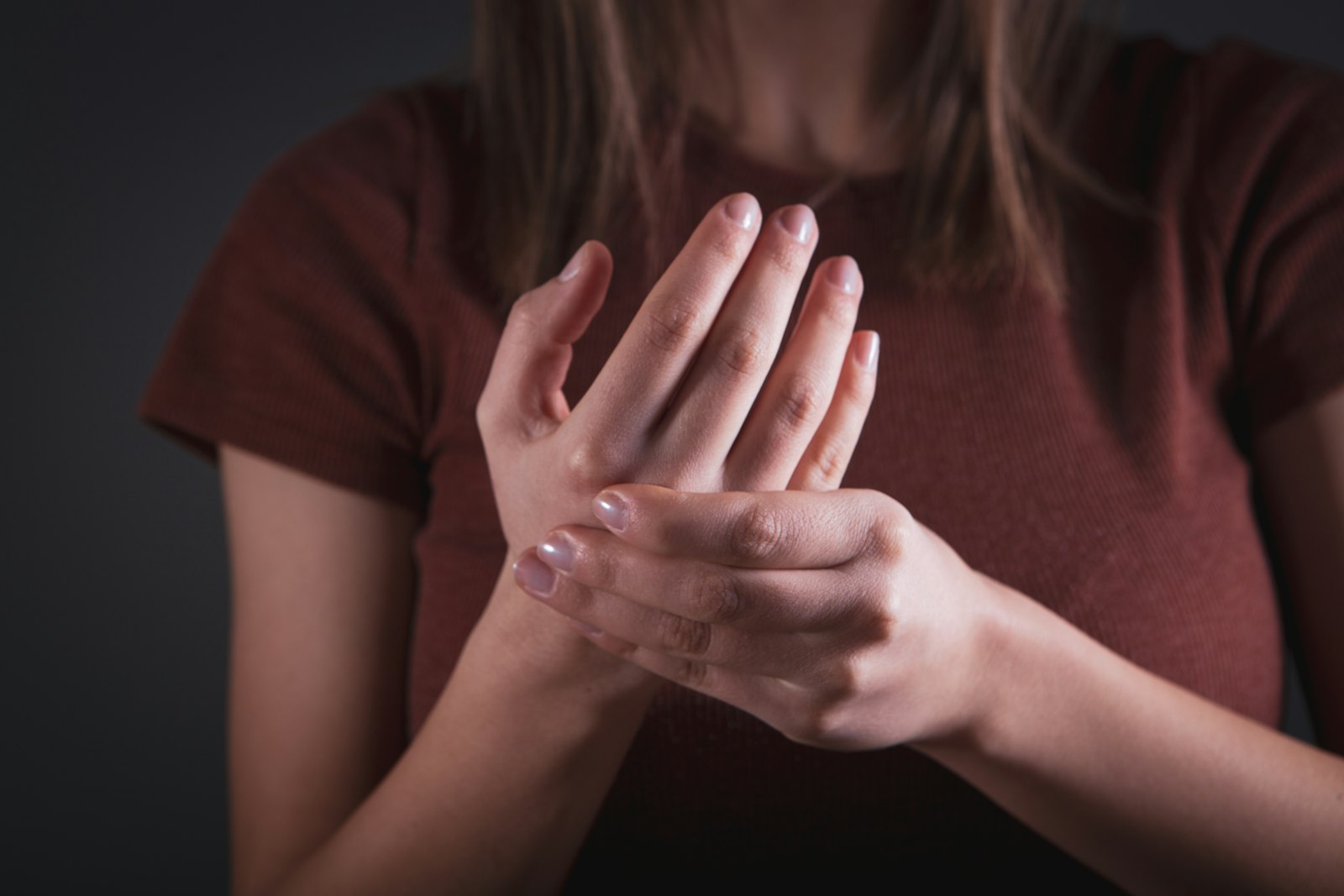
Joint pain is one of the most common reasons people visit a doctor. It can affect the fingers, wrists, knees, hips, ankles or spine, and it can range from a mild ache after a long day to pain that wakes you at night. The important thing to understand is that "joint pain" is a symptom, not a diagnosis. The right way to manage it depends entirely on what is causing it.
Mechanical pain vs. inflammatory pain
Doctors usually begin by sorting joint pain into two broad patterns, because they point towards very different causes.
Mechanical pain tends to get worse with activity and better with rest. It is typical of wear and tear, overuse or injury. Stiffness in the morning, if present, settles within a few minutes.
Inflammatory pain behaves the opposite way. It is often worse after rest or in the early morning, and it may improve with movement. Stiffness lasting longer than 30 minutes, visible swelling, warmth around the joint, and tiredness are clues that the immune system may be involved.
Common causes of joint pain
1. Osteoarthritis
Osteoarthritis is the most common form of arthritis and is related to gradual wear of the joint cartilage. It mainly affects the knees, hips, hands and spine, and becomes more common with age, previous injury and excess body weight. The pain is usually mechanical: worse on climbing stairs or walking long distances, and eased by rest.
2. Rheumatoid arthritis
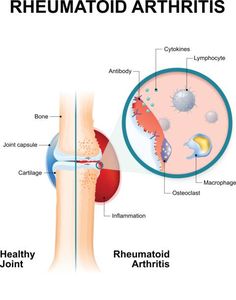
Rheumatoid arthritis is an autoimmune condition in which the body's own defence system attacks the lining of the joints. It typically affects the small joints of the hands and feet on both sides of the body, with swelling and prolonged morning stiffness. Early treatment matters, because it can prevent permanent joint damage.
3. Gout
Gout is caused by uric acid crystals depositing in a joint. It classically produces a sudden, intensely painful, red and swollen joint, often the big toe, sometimes at night. Attacks can recur, and a normal uric acid level on a single test does not always rule it out.
4. Psoriatic arthritis and spondyloarthritis
People with psoriasis, or those with long-standing lower back pain and stiffness that improves with exercise, may have an inflammatory arthritis of the spine or joints. These are frequently mistaken for ordinary "back pain" or "sports injury".
5. Lupus and other connective tissue diseases
Joint pain can be an early sign of lupus and related conditions, often together with fatigue, rashes, mouth ulcers, hair loss or sensitivity to sunlight.
6. Injury, overuse and vitamin deficiency
Sprains, tendon problems, repetitive strain and deficiencies such as low vitamin D can also cause aches around the joints. These are common but should still be confirmed rather than assumed.
What you can safely do at home
- Keep moving, gently. Regular low-impact exercise such as walking, swimming or cycling keeps joints lubricated and the surrounding muscles strong. Complete rest for long periods usually makes stiffness worse.
- Use heat or cold. Warmth can ease stiffness and tight muscles, while a cold pack for 10 to 15 minutes may reduce swelling after an overuse flare.
- Maintain a healthy weight. Every extra kilogram adds several kilograms of load across the knees and hips with each step.
- Strengthen the muscles around the joint. Stronger thigh, hip and core muscles share the load and protect cartilage.
- Pace your day. Break up long periods of sitting, and avoid repeated heavy squatting, kneeling or gripping if it triggers pain.
- Eat an anti-inflammatory style diet. Vegetables, fruits, whole grains, nuts, pulses and healthy fats support overall health. If you have gout, limiting alcohol, sugary drinks and excess red meat or organ meats helps.
- Protect your sleep. Poor sleep lowers pain tolerance and slows recovery.
A word on painkillers
Over-the-counter painkillers can help for a short time, but taking them repeatedly without knowing the cause is not a good long-term plan. Frequent use of anti-inflammatory tablets can affect the stomach, kidneys and blood pressure. More importantly, they can mask symptoms of a condition that needs specific treatment.
Signs that you should not wait
Please arrange a medical evaluation if you notice any of the following:
- Joint pain lasting more than 6 weeks
- Swelling, redness or warmth in one or more joints
- Morning stiffness lasting longer than 30 minutes
- Pain together with fever, rash, unexplained weight loss or extreme tiredness
- A joint that suddenly becomes very painful or you cannot move or bear weight on it
A proper assessment usually includes a detailed history, examination of the joints and, where needed, blood tests and imaging. The diagnosis comes from putting these findings together, not from a single report.
The bottom line
Not all joint pain is arthritis, and not all arthritis is the same. Simple measures like exercise, weight control and good habits help many people, but pain that is persistent, swollen or stiff deserves a proper diagnosis. Finding the cause early makes it far easier to protect your joints for the long term.
About Dr. Prateek Deo
Dr. Prateek Deo is a Rheumatology and Clinical Immunology specialist, trained at PGI Chandigarh, providing consultation in Bhopal, Madhya Pradesh.
Dr. Prateek’s Immunocare
Rheumatology & Clinical Immunology
Bhopal, Madhya Pradesh
Phone: +91 99836 23567
Website: drprateeksimmunocare.com
Featured image: photo by Sasun Bughdaryan on Unsplash.
This article is for general information and does not replace a consultation with a qualified doctor.